
 By Joshua Ntow Odei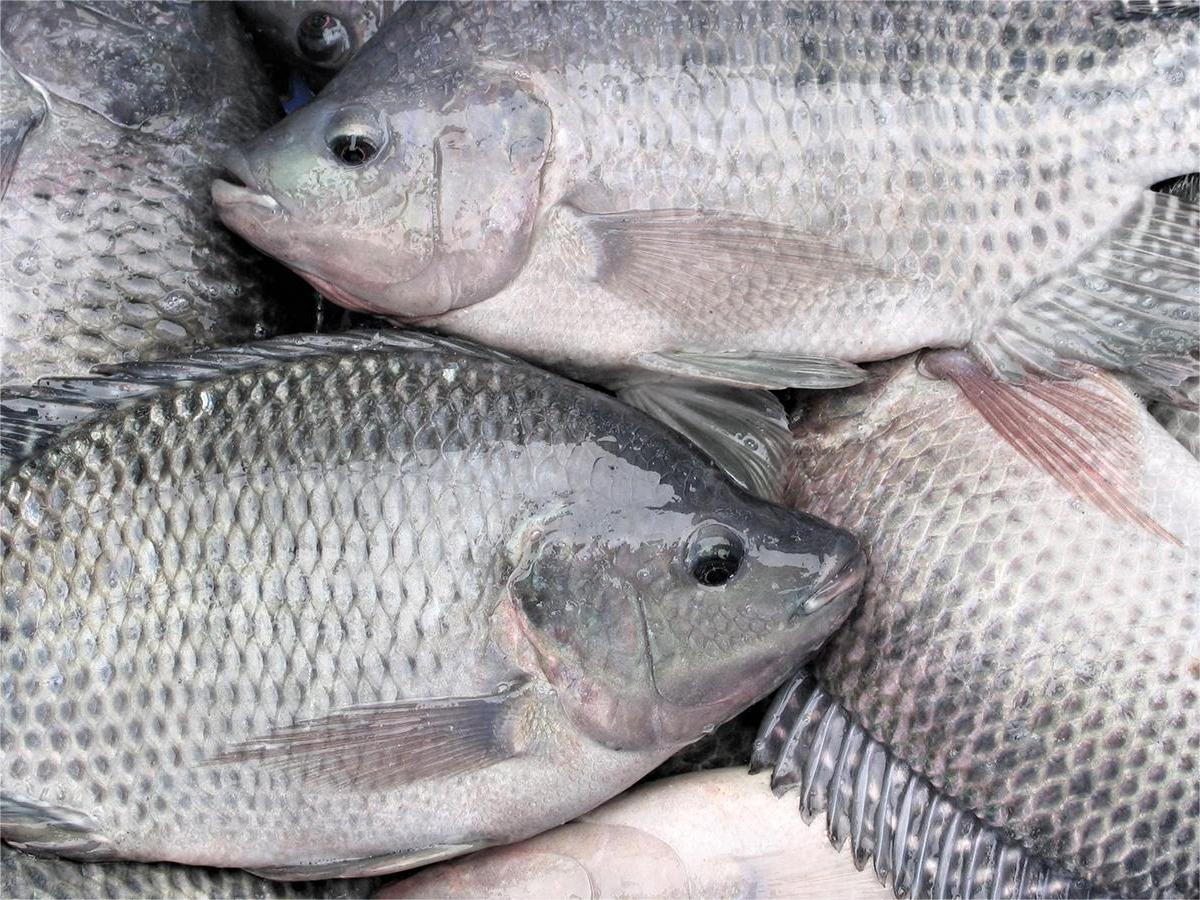
The tilapia business is a profitable venture because of the quantity of fish consumed in Ghana. Tilapia is one of the most popular and widely consumed freshwater fish, and this business can be lucrative whether you sell it to final consumers or in bulk to retailers. Tilapia farming is also becoming popular in Ghana, but for the purpose of this article, I will focus on how to sell tilapia.
MARKET RESEARCH
Research must be conducted on supply,clientele, and profits:
Demand and Supply:
The demand for tilapia is high in Ghana because fish is a staple protein source. Local fish producers, such as Tropo Farms (the brand behind Volta Catch Tilapia), supply large quantities of tilapia nationwide, indicating a strong and consistent market.
Price Margins and Profit
Prices vary depending on the fish size and location. The prices of fresh fish are normally higher than those of frozen fish, and profit margins are influenced by the costs of purchase, transport, storage, and sale methods.
TOOLS AND EQUIPMENT NEEDED
The basic equipment used in this business includes:
Ice Chest To keep fish fresh during transport and display.
Ice Blocks: To maintain a low temperature for fresh fish.
Cold storage: For short-term storage before the sale.
Knives: For cleaning and gutting the fish.
Cutting Boards .
Protective Gloves & Aprons: For food safety.
Weighing Scale: To measure quantities accurately for customers.
A hygienic selling area increases patronage.
SOURCE OF SUPPLY
In Ghana, fresh tilapia can be obtained in large quantities from:
Tema Fishing Harbour:
This major fishing harbor is a good place to source tilapia directly from fishermen and traders.
Volta Catch/Tropo Farms
Fresh supply can be obtained from the Volta catch depots in Tema, Kasoa, Kumasi, and Takoradi.
Lake Volta Fishers:
Small-scale fishers in Lake Volta also provide fresh tilapia, which is a good source of supply.
CLIENTS
Food Vendors & Retailers
Hotels and Restaurants
Schools and Hospital Canteens
Caterers
Individual Domestic Consumers
Knowing your buyers helps to tailor pricing, packaging, and delivery methods. You can offer direct deliveries to clients who purchase in bulk such as restaurants
SALES STRATEGIES
Establish regular supply agreements with restaurants and chop bars.
Cite your business at a busy location, like the market or roadside
Visibility: Brand your business so that buyers recognize quality and freshness.
Use of Social Media: Advertise available stock and prices on local WhatsApp and other social media platforms.
Discounts: Offer special pricing for bulk purchases to attract larger buyers.
CLEAN ENVIRONMENT
Cleanliness A Clean environment helps keep the food safe and attracts potential customers. The selling area should be disinfected to avoid flies.
Dispose of fish guts and waste properly to avoid odor and pests.
CONCLUSION
Starting a tilapia business can be profitable with appropriate planning, market research, and regular supply. . Whether you sell to final consumers, such as households, or supply bulk to restaurants, demand is still high, and profit is rewarding.
Please note that Tilapia is a perishable and fresh food; hence, it must be handled carefully from harvest to sale. This includes gutting, icing immediately after catch, and storing at proper cold temperatures to preserve freshness. Always use gloves when handling fish.
 Linda Ayikale Adjei
i enjoy reading this great article, i have shared it many times on my website and started following you, Do you post more often ?? i am the owner of https://webdesignagenturbayreuth.de/ a webdesign agency in bayreuth Germany, webdesign agentur bayreuth, you can link up if you are interested. Thank you
Thanks for your comments and yes I do post often.