
 By Joshua Ntow Odei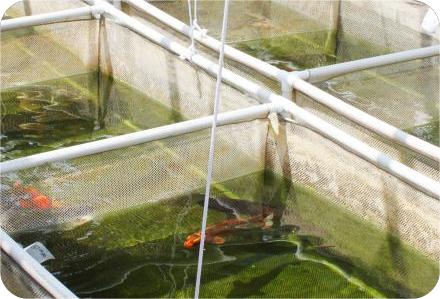
In Ghana, aquaculture, commonly referred to as fish farming, ranks among the most profitable agribusiness ventures today. Fish, particularly tilapia and catfish, serve as a primary protein source in the daily diets of many Ghanaian homes and eateries. With the population on the rise and a decrease in marine fish availability, the demand for farmed fish is steadily increasing. Fish farming is appealing to both small and large-scale business owners due to its relatively low capital requirements.
Research and Planning:Conducting comprehensive research is essential before starting.
Type of Land and Location of Pond: Consider purchasing land with a reliable water source, such as boreholes.
Fingerlings: Fingerlings are young fish used for stocking. Securing high-quality fingerlings is mandatory. Prices vary depending on size and species.
Staff and Expertise: Employing experienced fish farm attendants can help prevent losses. Occasional guidance from a research institution is required.
Fish Feed: Feed is the highest operational cost. You can either purchase feed or make your own using approved ingredients.
Process of Fish Farming: The fish farming process involves preparing the pond, introducing fingerlings, providing feed, monitoring water conditions, managing diseases, and eventually harvesting.
Fingerlings Sourcing: Fingerlings are usually from research institutions and certified private hatcheries.
Target Market: Potential buyers could include wholesalers, retailers, chop bars, individuals, and restaurants.
Feed and Supplement: These can be obtained from Agricultural supply outlets, Fish feed manufacturers, and major fish markets that supply aquaculture products -Soybean meal
Feeding Frequency: Fish should be fed 2–3 times a day, typically: Morning , Afternoon , Evening
Feeding Method: Introduce feed slowly while monitoring the fish’s reaction to prevent waste. Overfeeding can contaminate the pond and elevate the risk of disease.
Please ensure that you consistently monitor the fish’s behavior. Signs such as sluggish movement or a lack of appetite could suggest stress or illness.
Maintaining a Clean Pond Environment: Ensure the area around the pond is tidy and free from weeds, debris, and chemicals. Water Quality and pH: Fish flourish in water with a pH range of 6.5 to 8.5. Adequate oxygen levels and clean water are crucial.
Fish Segregation
Fish should be categorized according to their size and age (in days or weeks). This practice prevents larger fish from preying on smaller ones and helps promote consistent growth.
CONCLUSION
Fish farming in Ghana is a lucrative business with high market demand and significant growth opportunities. Fish farming can offer sustainable income and job opportunities. Adhering to best practices and seeking expert advice when needed can help a novice establish a successful fish farming enterprise.