
 By Joshua Ntow Odei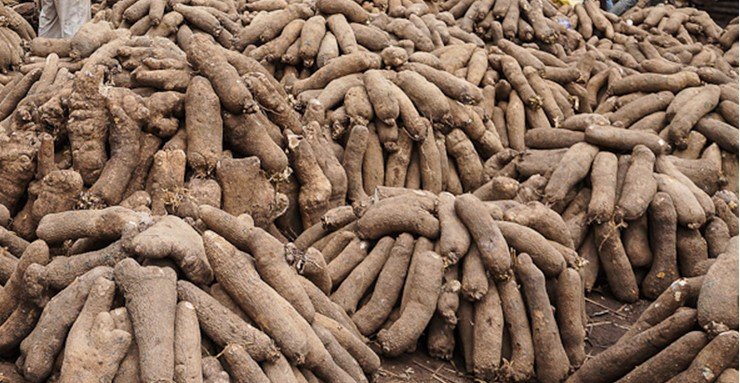
Introduction
Yam is an important tropical root and tuber crop and a major staple food in Ghana and other parts of West Africa. Although yam originated from Southeast Asia, West Africa has become the world’s most important yam-producing area. In Ghana, yam production provides food, income, and employment for farmers, traders and transporters. It also has cultural importance, with various yam festivals and traditional activities associated with its production and consumption. Yams are a source of iron, thiamine and vitamin C and is prepared as boiled yams (ampesi), pounded yam (fufu), fried yam (koliko), etoh(mashed yam) and other dishes.
Major Yam-Producing Areas
Yam is mainly produced in the northern and transitional parts of Ghana. Important producing areas include the Northern, Savannah, Bono East, Bono, Oti and Volta Regions, as well as parts of the Ashanti Region. Major yam trading centres include Techiman, Tamale, Kintampo, Kumasi, Yendi and Accra, where yams are sold to wholesalers, retailers, food vendors and consumers.
Types of Yam
Common types include water yam, white or white Guinea yam, yellow yam, aerial, Chinese yam, and bitter yam and seed yam. Different varieties vary in taste, maturity period, yield, and suitability for different foods.
Production Procedures
1. Selection of Planting Material
Farmers select healthy mother seed yams, which are tubers used to produce planting materials. The selected tubers are cut into smaller pieces called minisetts(can be whole yam but small). Minisetts should be healthy and treated immediately after cutting to protect them from diseases.
2. Land Preparation
Yam requires fertile, well-drained soil. The land is cleared and prepared into ridges or mounds. Ridges may be approximately 1½ feet high and spaced approximately 1 m apart. Planting holes are then prepared along the ridges.
3. Planting
Sprouted minisetts are planted carefully in the prepared holes. Planting time varies according to rainfall. In northern Ghana, minisetts are commonly prepared in December/January and planted around February. In southern areas, preparation is often done in March/April, with planting beginning around April/May.
4. Crop Management
Farmers control weeds through hoeing, manual weeding, or using appropriate herbicides. Earthing up involves gathering soil around the plants to cover the exposed developing tubers. Yam vines also require staking with durable stakes, such as bamboo. Mulching with dry grass or rice straw helps conserve moisture and protect the soil from excessive sunlight.
5. Harvesting
Yams are harvested when the vines dry up and mature. Tubers must be carefully dug out to avoid cuts and bruises. Damaged, diseased, and nematode-attacked tubers should be separated from healthy tubers.
6. Storage and Marketing
Yams should be stored in well-ventilated barns or suitable storage facilities with good air circulation and low humidity levels. Good sanitation is essential, and old tubers should be removed before new ones are added. During transportation, careful handling is necessary to prevent bruising of the fruit.
Farmers market yams at the farm gate, local markets, and major commercial centers. Good grading, careful storage, reliable buyers, collective marketing, and monitoring of market prices can improve farmers’ returns.
Conclusion
Yam production is vital to Ghana’s food security, employment and agricultural economy. Proper selection of planting materials, land preparation, crop management, harvesting, storage, and marketing can improve productivity, reduce post-harvest losses, and increase farmers’ income.
 Linda Ayikale Adjei