
 By Linda Ayikale Adjei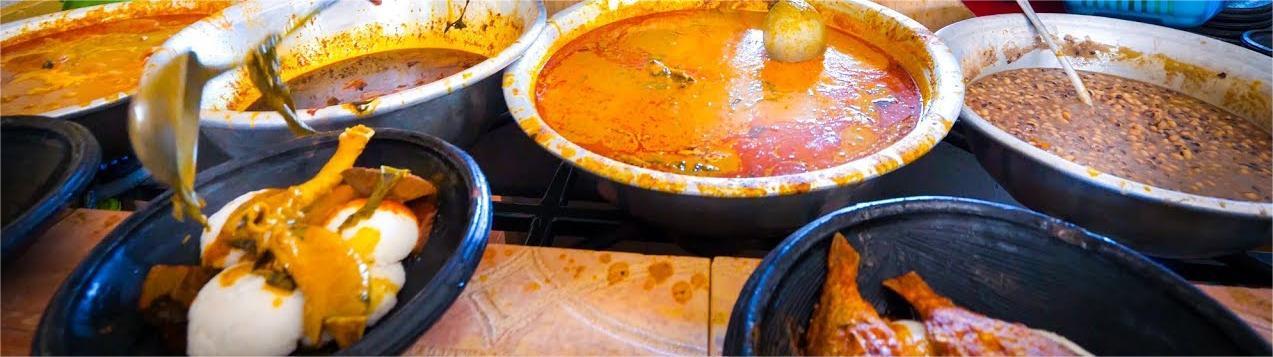
A chop bar is a traditional Ghanaian food spot that offers local dishes typically in a relaxed and budget-friendly setting. Launching a chop bar venture in Ghana is among the most realistic and rewarding small-scale food businesses, particularly in bustling urban areas such as Accra. A chop bar is essentially a traditional dining place where popular Ghanaian foods like fufu, banku, and rice balls are served alongside soup or stew. Since food is an everyday necessity, demand remains steady, making the food sector appealing for business owners.
The initial step in setting up a chop bar is selecting a strategic location. Busy zones such as lorry stations, marketplaces, office districts, and roadside intersections usually draw a consistent flow of customers. Areas near markets or transport centres are especially suitable because workers and traders often require quick and inexpensive meals throughout the day. In Accra, places like Makola, Kaneshie, and Madina are particularly vibrant commercial hubs.
Obtaining raw ingredients is fairly straightforward because Accra hosts numerous large markets where these items are sold. For instance, Makola Market is one of the biggest trading hubs where food items like cassava, plantain, meat, fish, spices, and kitchen equipment can be purchased in bulk. These markets are recognized for providing a broad selection of fresh produce and household supplies at reasonable prices, making them suitable for chop bar owners. Purchasing in large quantities helps lower expenses and improves profit margins.
The main customers of a chop bar include workers, traders, drivers, students, and individuals within the low- to middle-income bracket who favor affordable traditional meals. Many people depend on chop bars for their everyday feeding because they are more economical and quicker than formal restaurants. A successful chop bar develops customer loyalty through delicious meals, proper sanitation, and reliable service.
There are various meal options that can be offered. Typical choices include fufu with light soup or palm nut soup, banku with tilapia or okro stew, rice balls (omotuo), konkonte, waakye, and kenkey with fried fish, among others. Providing a diverse menu helps attract a wider range of customers and boosts daily revenue.
Sales trends in chop bars are usually consistent. Morning sales may be average, particularly for breakfast meals like waakye or rice. The peak periods are often lunchtime and evening hours, when employees and families purchase meals after work. Weekends may also generate increased sales depending on the area.
However, there are potential challenges. Food businesses must uphold high standards of cleanliness to prevent health problems and possible shutdown by authorities. The cost of ingredients may change, affecting earnings. Competition is also intense; therefore, quality and customer care are crucial. Additionally, business owners may need permits from local authorities and must follow food safety guidelines.
Risks involved
Every chop bar enterprise comes with certain risks:
a. Food spoilage: Fresh ingredients can deteriorate quickly if not properly stored.
b. Competition: Many chop bars operate, so taste, hygiene, and service must be exceptional.
c. Price instability: The cost of food items (e.g., tomatoes and meat) can increase suddenly.
d. Health and sanitation concerns: Poor cleanliness can lead to closure by authorities.
e. Low sales periods: Rainy days or economic challenges can reduce customer turnout.
Tips for success
Maintain excellent flavor and consistency
Keep the surroundings clean
Build strong customer relationships (regular patrons are important)
Provide variety (e.g., fufu, banku, rice meals)
Begin on a small scale and expand gradually
In conclusion, operating a chop bar business in Ghana can be profitable if it is properly managed, especially in a busy city like Accra where the demand for affordable local meals remains consistently high. With careful planning, selecting the right location, sourcing cost-effective ingredients, delivering quality food, and effectively managing risks, entrepreneurs can build a successful and sustainable business.
 Arnold Danquah
you are in reality a good webmaster The website loading velocity is amazing It sort of feels that youre doing any distinctive trick Also The contents are masterwork you have done a fantastic job in this topic